 BYD Tech
The short answer
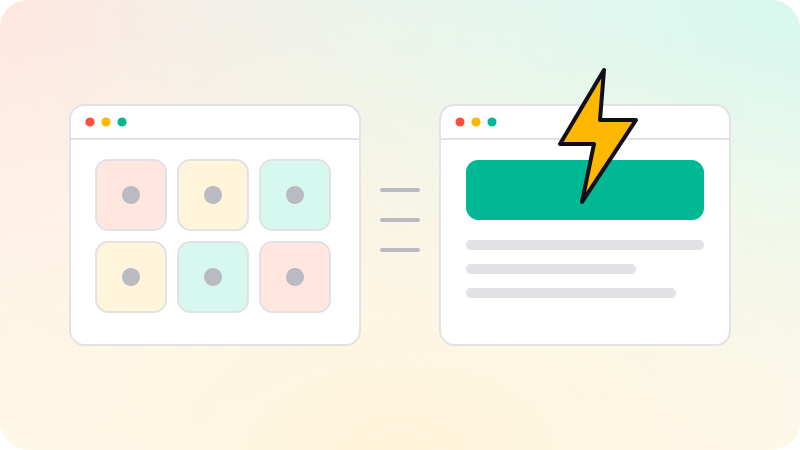
A good landing page makes one offer to one kind of visitor. It says plainly who it is for and what it does in the first screen, shows how it works and why to believe it, asks for one clear action, and loads quickly on a phone. Remove anything that does not help a visitor decide, and test changes one at a time against the action you want.
Key points
- One page, one audience, one action.
- The headline says what it is and who it is for, in plain words.
- Show the product, and real proof. Never invented proof.
- Ask for as little as possible in the form.
- Fast on a phone, or the rest does not matter.
The first screen
Most visitors decide whether to stay from what they see before scrolling. Nielsen Norman Group’s eye-tracking research shows people scan pages rather than read them, so the top of the page must work at a glance.
- A headline that says what it is: specific, not clever.
- A line under it that says who it is for and the main outcome.
- One primary button, and at most one secondary link.
- A picture of the real product or the result, not a stock photo.
A structure that works
- The promise: what it is, who it is for.
- The problem: what it is like without it, in the visitor’s words.
- How it works: three steps or three features, with visuals.
- Proof: customer quotes, logos or results, but only real ones you are allowed to show.
- Answers to objections: a short FAQ on the questions that stop people.
- The same call to action again, at the end.
Details that change results
- Button text that says what happens: "Book a call" beats "Submit".
- Short forms: every extra field loses people. Ask for what you need now.
- Remove the main navigation on campaign pages, so there is one path.
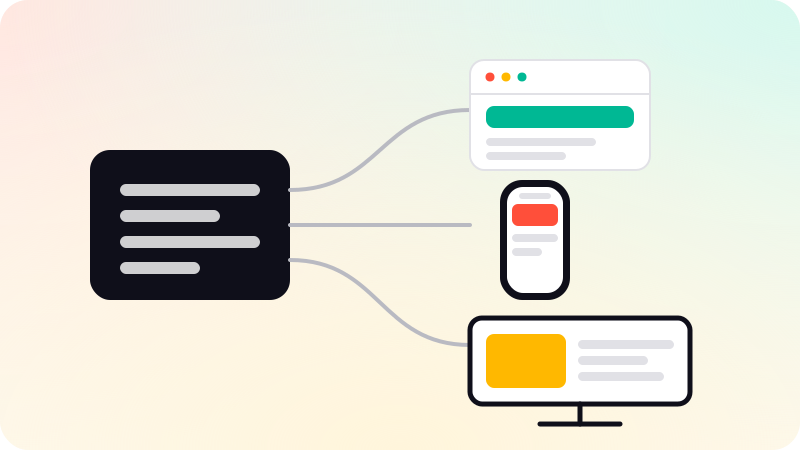
- Match the page to the ad or email that sent the visitor.
- Reply quickly to people who do convert. The page only starts the conversation.
Proof without inventing it
A new company often has no logos or testimonials yet. Do not fill the gap with made-up ones. Show how you work instead: what the customer owns, how they see progress, who they talk to. Real, specific process claims are more convincing than vague praise, and they will still be true when a customer checks.
Speed and search
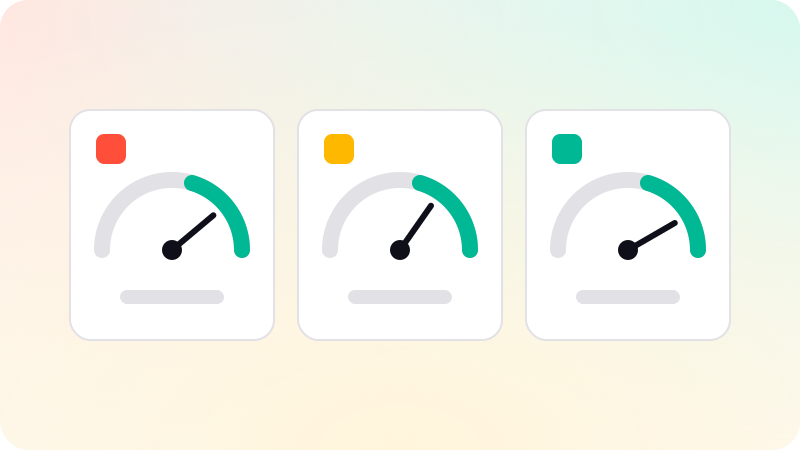
- Load fast on a mid-range phone. See Core Web Vitals explained.
- One clear title and description, written for the search you want to appear in.
- Real text in the page, not words baked into images.
- The technical basics in place. See Technical SEO checklist.
Marketing sites built to book demos, with the technical SEO done, are what we build in website development.
Sources
Checked when this guide was written.