
Guides for founders
Plain-English answers to the questions founders ask before they build: what to make first, which tools to choose, and what to check. No prices, no hype, and a source for every outside fact.
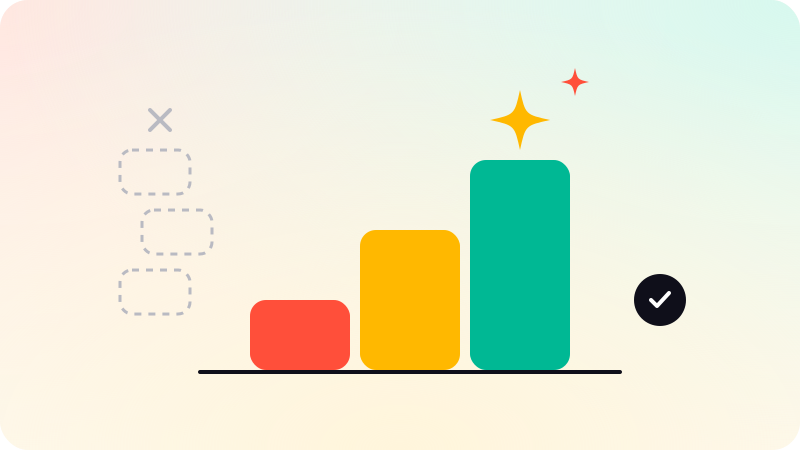 MVPHow to build an MVP: a step-by-step guide for non-technical foundersHow to build an MVP when you cannot code: pick one user and one job, cut the feature list, test with a clickable flow, then build and launch small.Read the guide
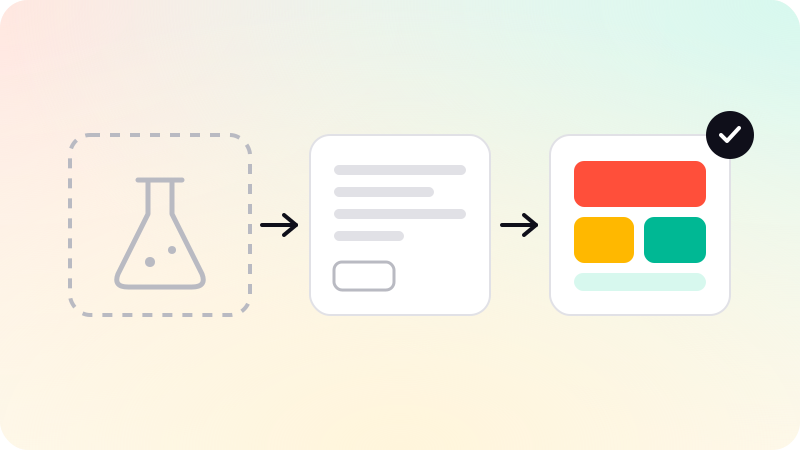 MVPMVP vs prototype vs proof of concept: what each one provesA proof of concept shows it can be built, a prototype shows how it will work, and an MVP shows people will use it. Here is when to use each.Read the guide
 AI-built appsVibe coding to production: what breaks, and what to fix firstAn AI-built app that works in a demo can fail with real users. Here is what usually breaks, what to check first, and when to fix or rebuild.Read the guide
 AI agentsAI agent vs chatbot: the difference, and which one your business needsA chatbot answers questions. An AI agent decides the next step and acts in your tools. Here is how they differ and how to choose between them.Read the guide
 AI agentsWhat is an MCP server? The Model Context Protocol, explained simplyAn MCP server lets AI assistants like Claude and ChatGPT use your data and tools through one open standard. What it is, MCP vs API, and when to build one.Read the guide
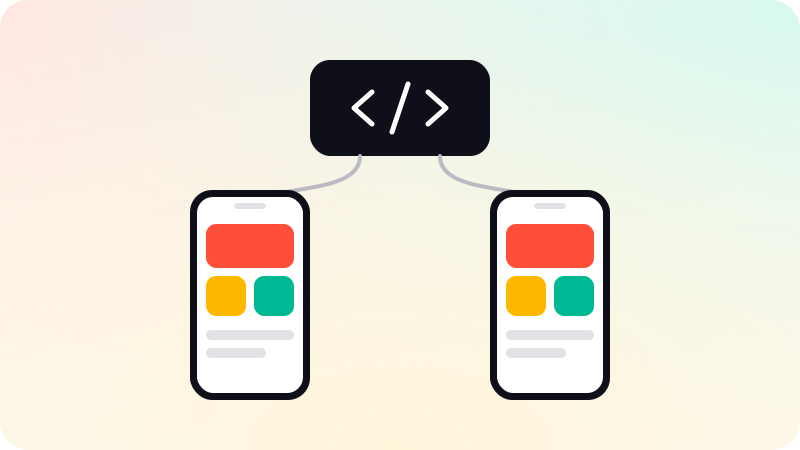 Mobile appsReact Native vs Flutter: how to choose for a startup appReact Native and Flutter both ship one app to iPhone and Android. How they differ, what matters for a first app, and how to pick between them.Read the guide
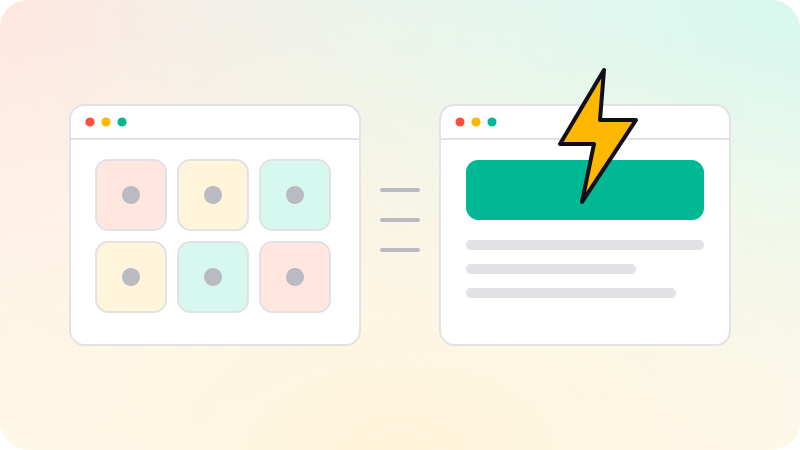 WebsitesNext.js vs WordPress: which is right for a startup website?WordPress is quicker to start and easy to edit. Next.js is faster, safer by default and grows into a product. How to choose for a startup website.Read the guide
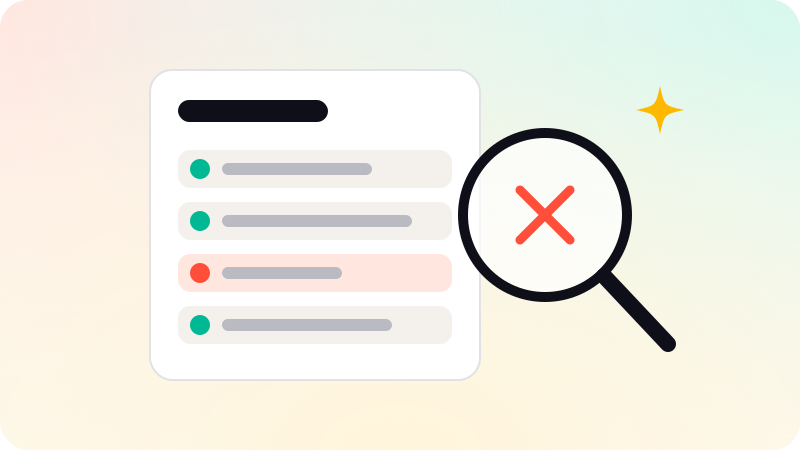 DesignWhat is a UX audit? What it covers, and when you need oneA UX audit is a structured review of a product to find where users get stuck. What it covers, what you get at the end, and when it is worth doing.Read the guide
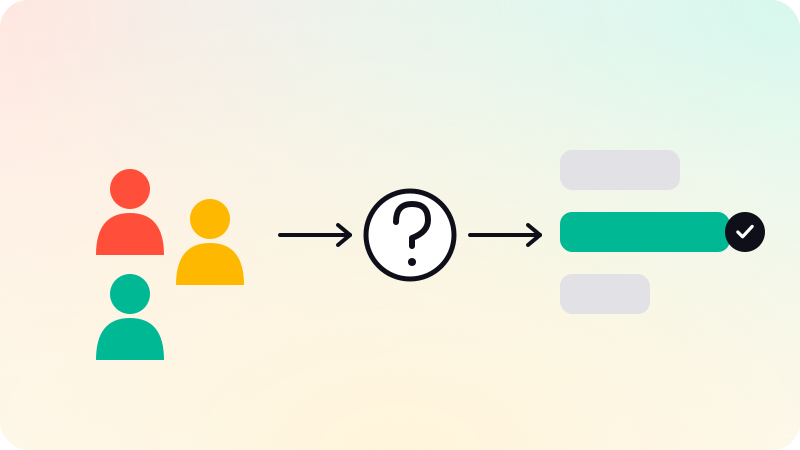 MVPHow to validate a startup idea before you build anythingValidate a startup idea by testing the problem, not the pitch: talk to people who have it, look at what they do today, and ask for a real commitment.Read the guide
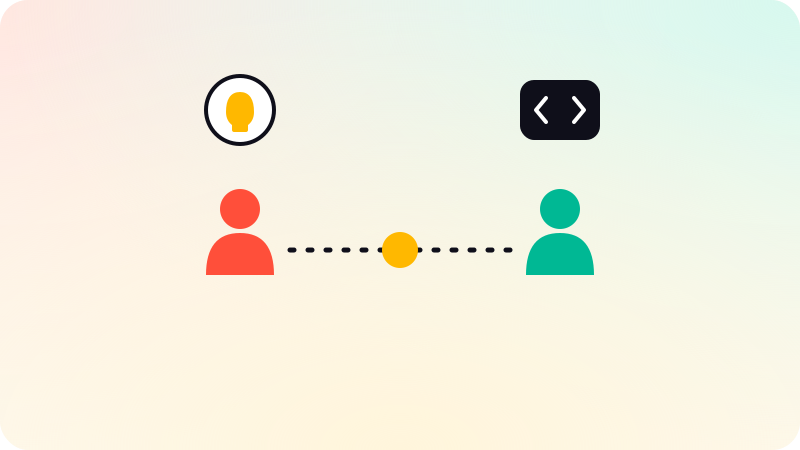 FoundersHow to find a technical co-founder, and when you do not need oneWhere to look for a technical co-founder, how to test the fit before you commit, and when a studio, a freelancer or a first hire is the better route.Read the guide
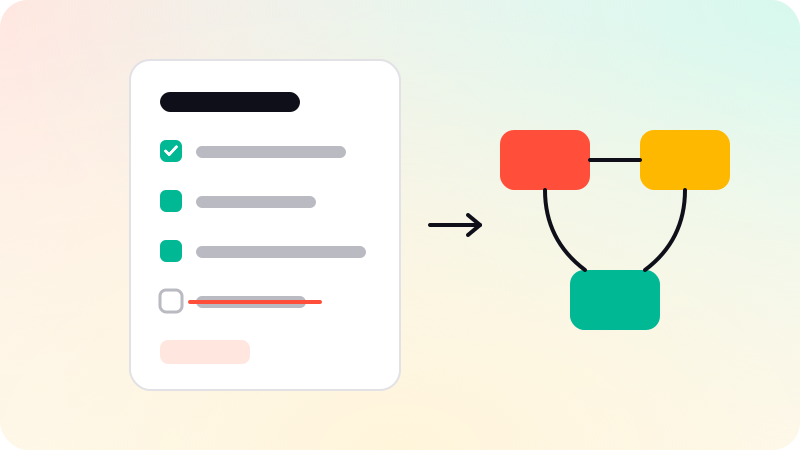 ProductHow to write a PRD: a product requirements document that gets builtA PRD says who the product is for, what problem it solves and what is in and out of scope. A simple structure, with what to include and what to leave out.Read the guide
 AI agentsHow to build an AI agent for your business: a practical guideBuild an AI agent in six steps: pick one job, gather real examples, keep the design simple, add tools with limits, test on history, launch with a human check.Read the guide
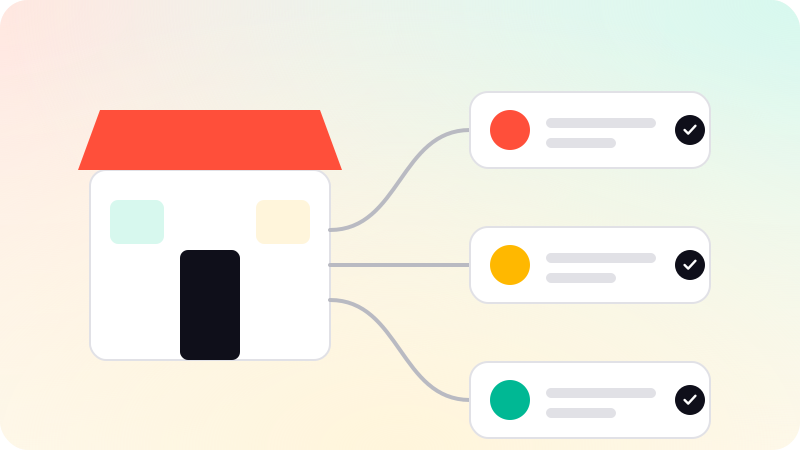 AI agentsAI agents for small business: where to start, and what to avoidWhere AI agents help a small business first: support replies, lead follow-up, and document entry. How to start small, and the mistakes to avoid.Read the guide
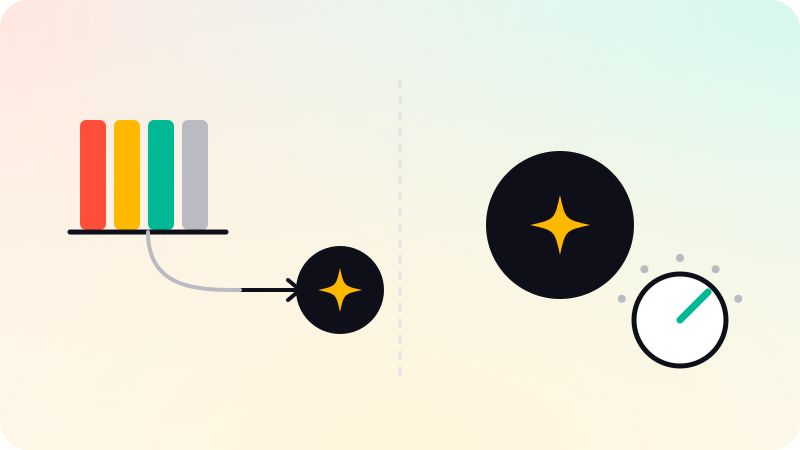 AI agentsRAG vs fine-tuning: what each one does, and when to use itRAG gives a model your documents at answer time. Fine-tuning changes how the model behaves. What each is for, and why most businesses should start with RAG.Read the guide
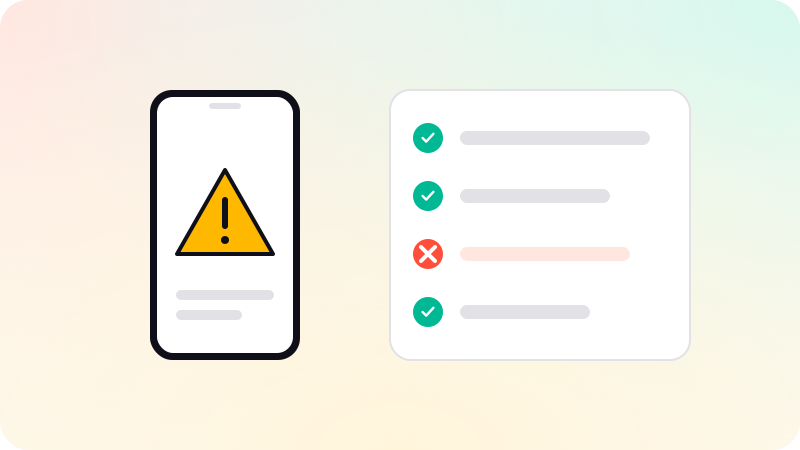 Mobile appsApp Store rejection reasons: the common ones, and how to avoid themWhy Apple rejects apps: crashes, missing demo logins, placeholder content, privacy gaps and in-app purchase rules. A checklist to pass review.Read the guide
 Web appsWeb app vs mobile app: which should you build first?A web app is faster to build and change. A mobile app wins when the product lives on the phone. How to choose, and where a PWA fits in between.Read the guide
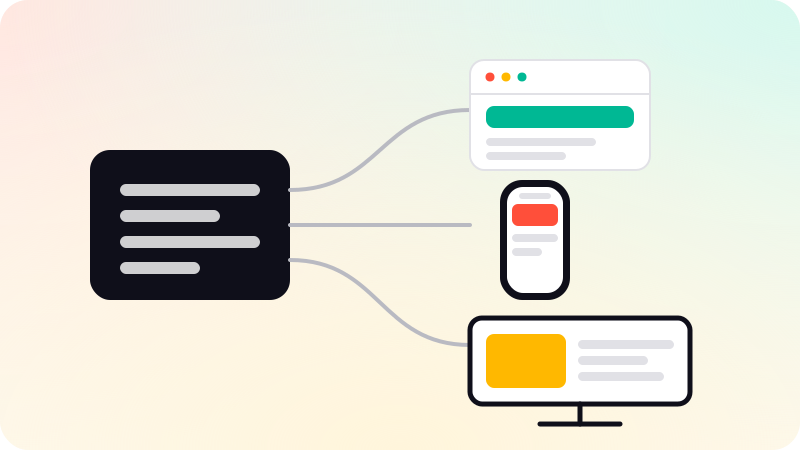 WebsitesWhat is a headless CMS? How it works, and when you need oneA headless CMS stores content and delivers it through an API, so any website or app can show it. How it differs from WordPress, and when to use one.Read the guide
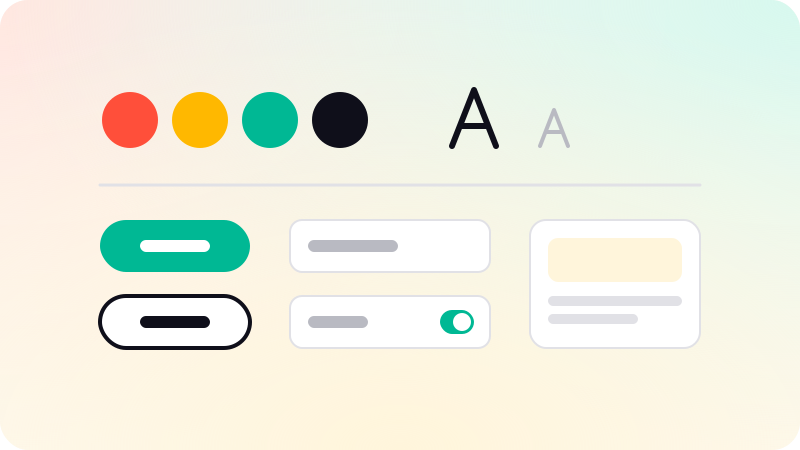 DesignWhat is a design system? What goes in one, and when to build itA design system is a shared set of styles, components and rules a team builds a product from. What it contains, and when a startup should make one.Read the guide
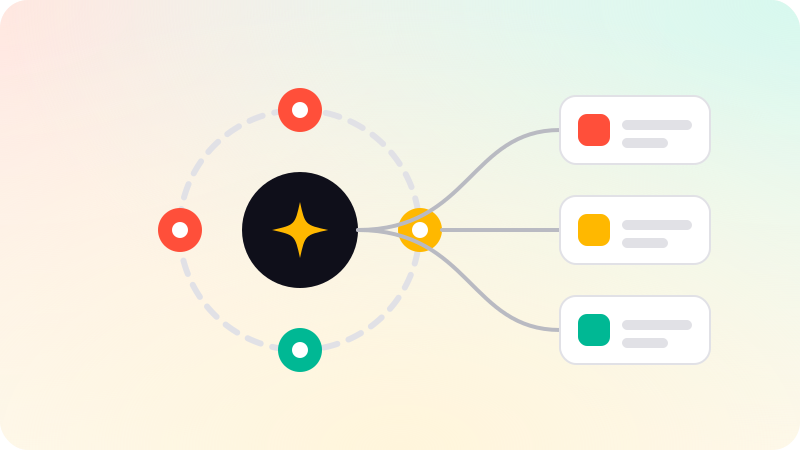 AI agentsWhat is an AI agent? A plain-English explanationAn AI agent is software that uses a language model to decide what to do next and act in your tools. How it works, what it can do, and where it fails.Read the guide
 SaaSWhat is a SaaS MVP? What to build first, and what to leave outA SaaS MVP is the smallest subscription product real customers can sign up for and use. What it must include, what can wait, and how to know it works.Read the guide
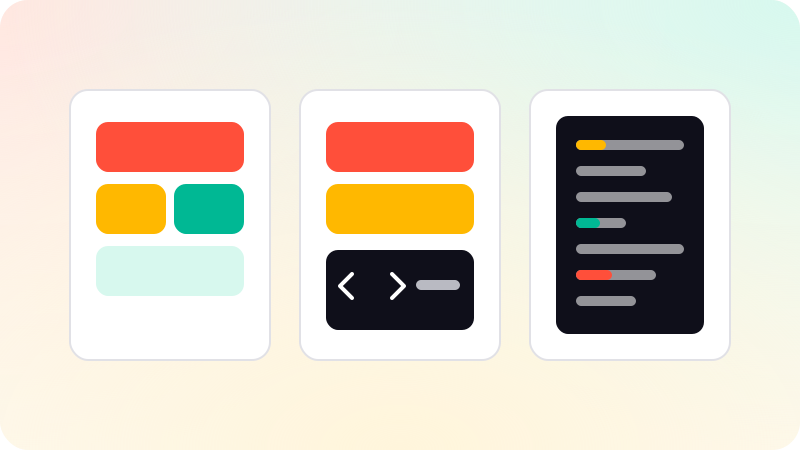 Web appsLow-code vs no-code vs custom code: how to chooseNo-code builds apps visually with no programming. Low-code adds code where needed. Custom code gives full control. What each suits, and where each runs out.Read the guide
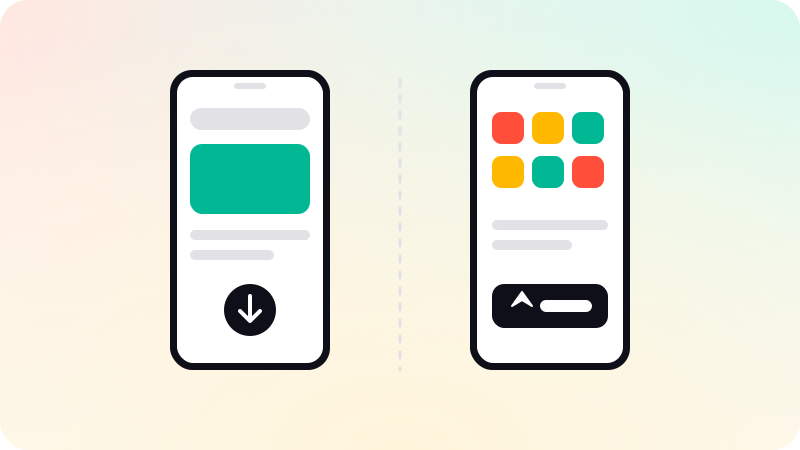 Mobile appsPWA vs native app: the differences, and how to chooseA PWA is a website that installs and works offline. A native app is built for the phone and sold through stores. What each can do, and which fits your product.Read the guide
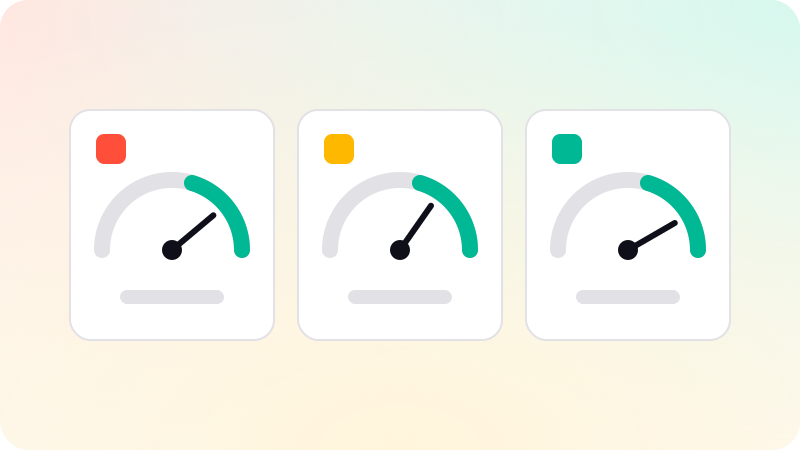 WebsitesCore Web Vitals explained: LCP, INP and CLS, and how to improve themCore Web Vitals are Google’s three measures of page experience: loading (LCP), responsiveness (INP) and stability (CLS). The targets, and how to hit them.Read the guide
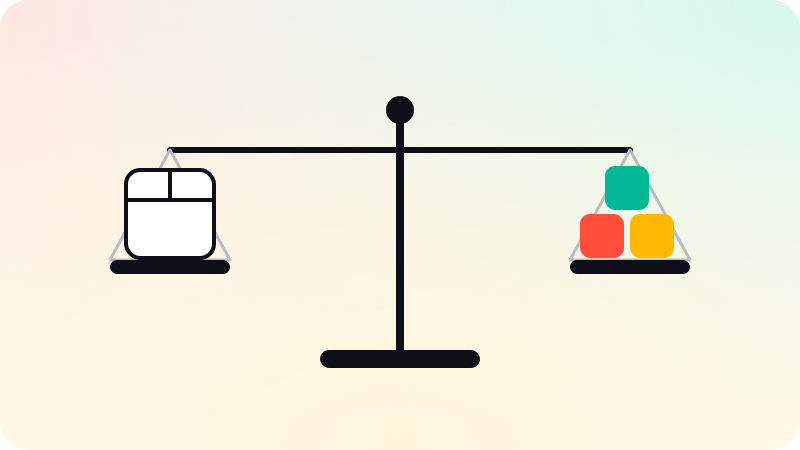 Web appsBuild vs buy software: how to decideBuy software for work every company does the same way. Build it when the work is what sets you apart. A simple test, with the costs people forget.Read the guide
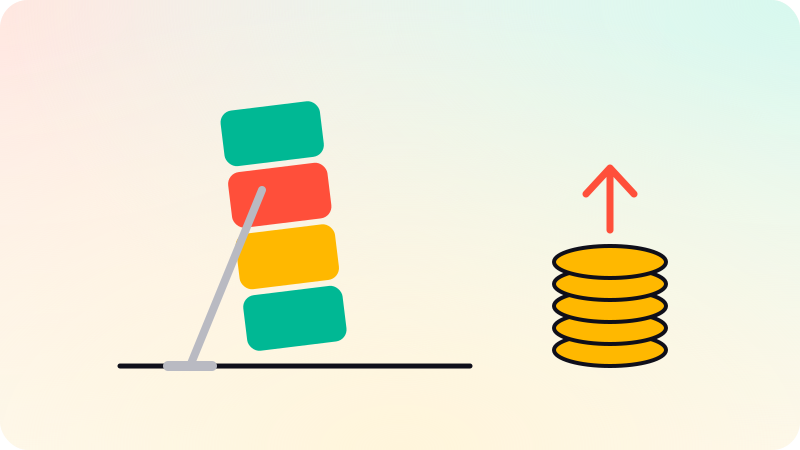 Web appsWhat is technical debt? A founder’s guide to the cost of shortcutsTechnical debt is the extra work created by shortcuts in software. Why some of it is sensible, how to spot when it is hurting, and how to pay it down.Read the guide
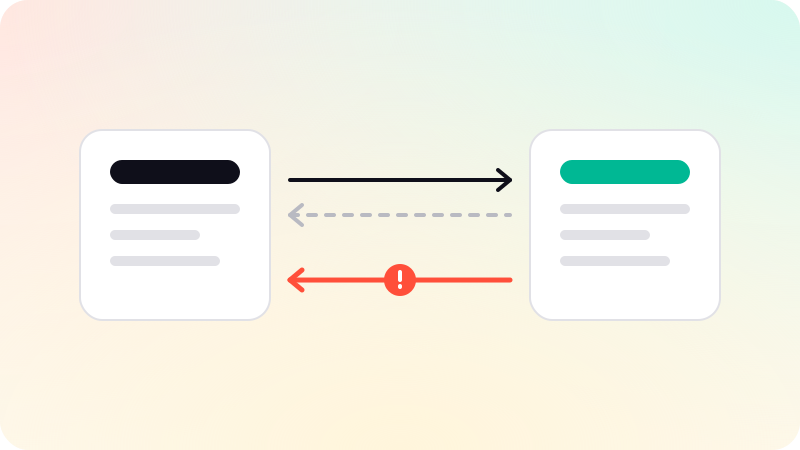 Web appsAPI vs webhook: the difference, explained for non-developersWith an API your system asks for information. With a webhook the other system tells you when something happens. When to use each, and where MCP fits.Read the guide
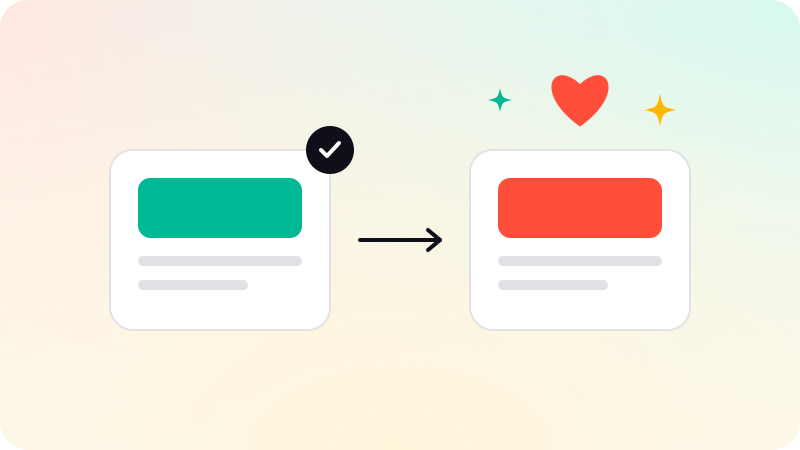 MVPMinimum lovable product vs MVP: what is the difference?An MVP tests whether people will use a product. A minimum lovable product aims for users to love it from the start. When each idea helps, and when it hurts.Read the guide
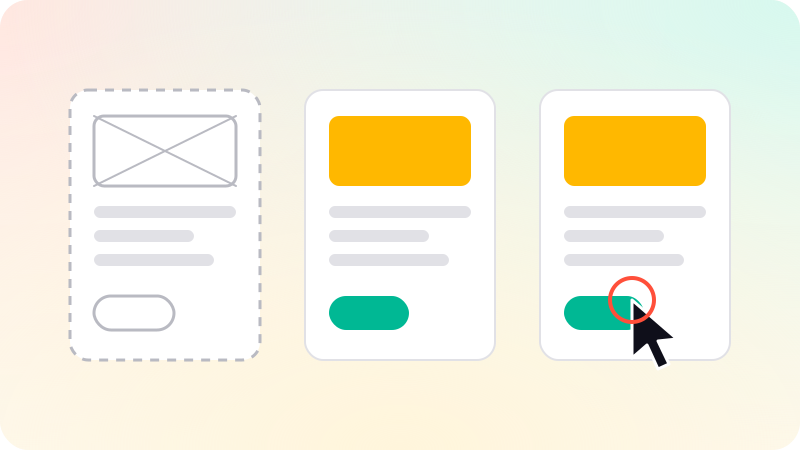 DesignWireframe vs mockup vs prototype: what each one is forA wireframe shows structure, a mockup shows the visual design, and a prototype shows how it works when clicked. When to use each in a design process.Read the guide